

By Marley Coyne Published 19 Apr 2020
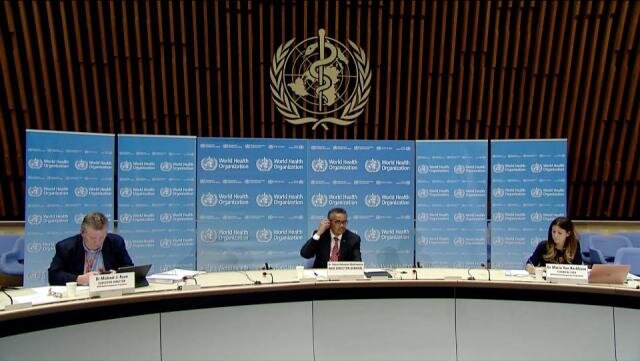
There is no evidence to suggest that recovered coronavirus patients and former asymptomatic carriers who have coronavirus antibodies in their blood will have long-term COVID-19 immunity, the World Health Organization said in a press conference on Friday.
“Nobody is sure,” executive director of emergencies programs Dr. Michael J. Ryan said of the likelihood that someone with antibodies could be reinfected.
Ryan added that some tests give false negative results.
While someone who “generates a full-blown immune response” detectable by serological tests could likely expect immunity for some time, “we just don’t know what that period of time is,” Ryan said.
He also emphasized that, at present, it is likely “quite a low proportion of people” have these antibodies, suggesting that widespread immunity is still a distant goal.
564,525. That’s how many people worldwide have recovered from COVID-19, according to Johns Hopkins. As of Friday afternoon, more than 2.2 million people have been officially diagnosed.
The World Health Organization plans to release further guidance on immunity and the efficacy of antibody tests this weekend.
As states consider when and how to reopen, many are looking to increase antibody testing as a way to determine whether certain safety thresholds have been met. Meanwhile, in a decision decried by many world leaders, President Trump announced on Tuesday that he would pause funding WHO for “severely mismanaging and covering up” its pandemic response, and would conduct a review. ( Forbes )
