Legal Experts From Delhi Consulted; KDA Seeks Centre’s Draft Framework Before Offering Detailed Suggestions
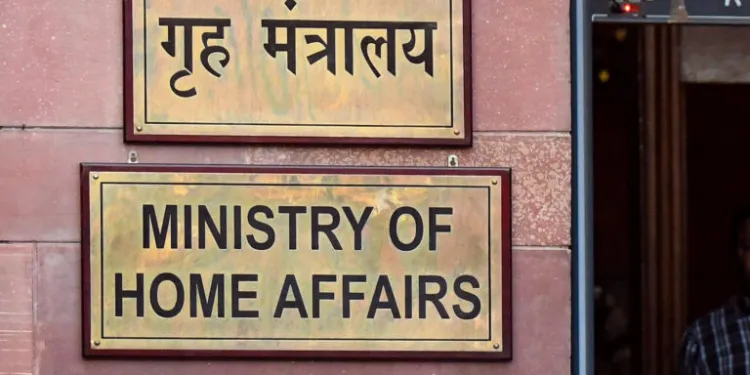
JAMMU, September 17 : The Leh Apex Body (LAB) has initiated the process of preparing a detailed response to a set of queries raised by the Union Ministry of Home Affairs (MHA) concerning the proposed Union Territory-level elected body for Ladakh.
As part of the exercise, the LAB is consulting legal experts from New Delhi to examine the proposed institutional framework and formulate its position. The response is expected to be placed before the Ministry during the next round of discussions, which is likely to be held in Ladakh in October.
LAB Chairman Chering Dorjay Lakruk said the MHA has sought inputs on several aspects of the proposed UT-level institution, including suggestions regarding its name and other elements of the proposed arrangement.
The development comes as discussions between the Centre and Ladakh’s political representatives continue over a possible new governance mechanism for the Union Territory.
KDA Wants Centre to Place Draft Framework First
The Kargil Democratic Alliance (KDA), however, has taken a different position on the process, arguing that the Union Government should first prepare and present a draft of the proposed arrangement before Ladakh’s representatives are asked to provide detailed suggestions.
Senior KDA leader Sajjad Kargili said the proposed UT-level elected institution was not among the alliance’s original demands. He said the principal demands had remained restoration of Statehood and constitutional safeguards, including protection under the Sixth Schedule.
According to the position conveyed by the KDA, the leadership had nevertheless agreed to examine the proposed arrangement while the larger question of Statehood remains under consideration.
LAB Working on MHA Questionnaire
The LAB is understood to be examining the questionnaire received from the Home Ministry and is expected to consult the KDA before submitting a final response.
Sources said the present set of queries primarily concerns specific features of the proposed institution rather than covering its complete legislative, executive and financial powers.
The ongoing exercise is therefore being viewed as part of the preliminary process of working out the institutional architecture of a possible UT-level elected body.
Direct Election Formula Discussed
At a Sub-Committee meeting held in New Delhi on September 9, discussions reportedly included a proposal for direct elections to the proposed UT-level body.
Under the arrangement discussed, members would be elected directly by the people of Ladakh instead of being chosen through representatives of the newly notified Autonomous Hill Development Councils.
The proposed framework is also understood to envisage a role for the UT-level institution in matters relating to land, culture, heritage, forests, environment and natural resources under Article 240.
However, several important aspects of the arrangement remain under discussion.
Composition, Powers and Name Yet to Be Settled
The Centre has held several rounds of consultations with representatives from Ladakh, but the comprehensive structure of the proposed body has not yet been finalised.
Issues including its name, total strength, composition, powers and its institutional relationship with the Hill Development Councils are still being discussed.
The next round of talks is expected to take place in Ladakh in October. The precise venue—whether Leh or Kargil—has not yet been finalised.
Seven Hill Councils Notified
Meanwhile, the Ladakh administration has notified seven District Hill Development Councils, replacing the earlier arrangement of two councils for Leh and Kargil.
The number of seats for the newly notified councils has yet to be announced. Consequently, delimitation of constituencies and the subsequent electoral process will require the seat structure to be determined first.
The latest developments form part of the continuing dialogue between Ladakh’s political and social representatives and the Centre over the Union Territory’s future governance structure, constitutional safeguards and the division of responsibilities between any proposed UT-level institution and the district-level Hill Councils.