

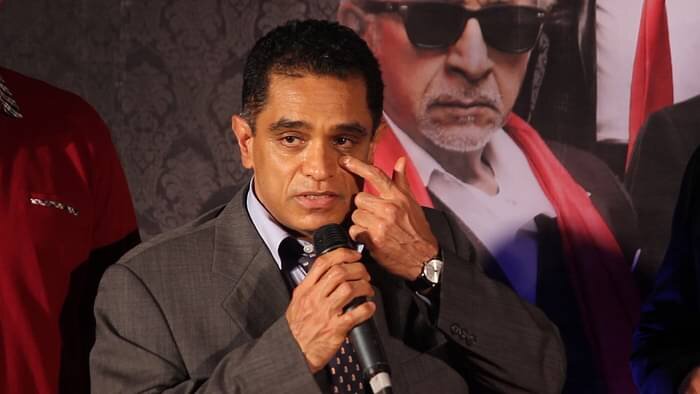
Bollywood producer Firoz Nadiadwala’s wife Shabana Saeed was arrested on Sunday, 8 November, under the Narcotic Drugs and Psychotropic Substances (NDPS) Act after 10 grams of ganja was allegedly recovered from their residence in Mumbai’s suburban Juhu – making this the latest celebrity arrest in connection with drug possession.
The Centre’s NDPS Act, 1985 defines India’s law around cannabis and its products and criminalises its sale, possession, transportation, and cultivation in certain forms in India.
What is legal under the NDPS Act? What happens if you are caught with weed? Here’s what you need to know.
Section 27A of the NDPS Act 1985 lays down the punishment for financing – both directly or indirectly – illicit traffic and harbouring offenders. The punishment for this offence can range from imprisonment for 10 to 20 years and a fine of Rs 1-2 lakh.
The NCB claimed in Chakraborty’s case that this was attracted because she paid for drugs for Sushant Singh Rajput (financing) and did not report someone who she knew was in possession of cannabis (harbouring an offender).
The Bombay High Court expressly rejected this and said:
Section 27A was likely introduced in the actor’s case as the amounts of drugs she was connected to were only small quantities, meaning she would have been able to get bail. If Section 27A is invoked, however, the quantity of drugs seized doesn’t matter, and the court can only grant bail if they believe there are reasonable grounds to believe the accused isn’t guilty.
Yes, Section 10 of the NDPS Act allows states to permit and regulate the cultivation of any cannabis plant, production, manufacture, possession, transport, import inter-State, export inter-State, sale, purchase consumption or use of cannabis (excluding charas).”
With states having the power to regulate and permit use of cannabis, some states like Uttar Pradesh and Rajasthan have authorised government shops to sell the same. ( The Quint )

