

By Sajjad Hussain Islamabad, Apr 11 2020
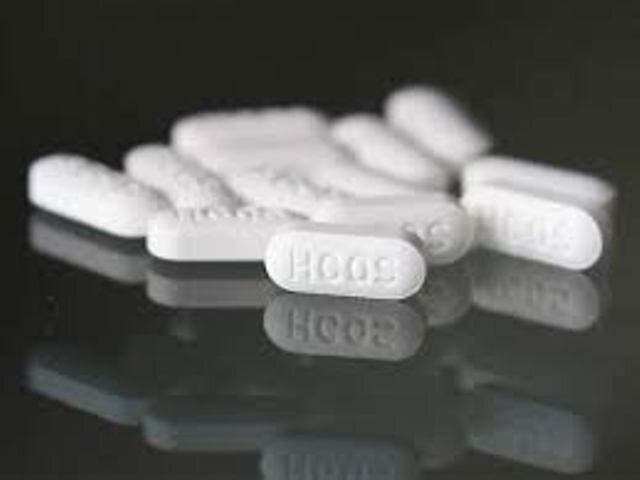
Pakistan has banned the export of anti-malaria drugs after several countries, including the US, started using the medicines to treat coronavirus patients, according to a media report.
The ban, which has been imposed with immediate effect, will remain till the National Coordination Committee (NCC) on COVID-19 deems necessary, according to a notification released by the Commerce Ministry on Friday amidst a spike in the number of coronavirus cases in the country.
On Friday, Pakistan reported 190 fresh infections taking the total number of COVID-19 cases in the country to 4,788. The death toll from the virus has reached 71. As many as 762 have recovered while 50 were in critical condition.
This is the second time in this week that the Pakistan government has banned the export of anti-malaria medicines.
The international demand for anti-malaria drugs, especially hydroxychloroquine, has increased significantly in the last fortnight. Hydroxychloroquine has been identified by the US Food and Drug Administration as a possible treatment for the novel coronavirus.
In Pakistan, there has been confusion over which department — Commerce Division or the National Health Ministry has authority to impose ban on export of medicines, according to the Dawn newspaper.
Earlier, the Commerce Division had termed a letter by the Drug Regulatory Authority of Pakistan (DRAP) seeking ban on export of masks as ‘inappropriate’.
According to an official source, the Commerce Division in the wake of the NCC meeting issued an order on April 3 banning the export of all anti-malaria drugs with immediate effect.
“We have issued the order to implement the decision quickly,” the official said, adding it was decided that post-facto approval would be sought from the Cabinet.
It was decided that the National Health Ministry would submit a summary to the federal Cabinet for getting approval on imposing ban on export of all anti-malaria drugs.
The Cabinet in its meeting on April 6 approved the ban, the source said.
However, the Commerce Ministry on April 6 issued another order withdrawing its April 3 order regarding the imposition of ban.
To implement the Cabinet meeting decision, the commerce ministry issued a new notification for imposing the ban on the export of medicines, which was dated April 9.
The notification was released to the media on Friday. There are approximately 20 companies, which are manufacturing anti-malaria drugs.
At the same time to restrict use of anti-malaria drugs in the domestic market, the DRAP has already asked medical stores to sell the drugs on doctors’ prescriptions only.
As per the DRAP’s record, there are around 25 million tablets and around 9,000 kg of raw material available in the market to produce anti-malaria drugs.
The authority believes the country has sufficient stock to meet any emergency.
According to an official statement, the Central Licensing Board of DRAP has approved local manufacturing of Chloroquine Phosphate-Active Pharmaceutical Ingredient (API).
Now Chloroquine API can be manufactured indigenously to meet the requirement of those pharmaceutical companies that prepare Chloroquine phosphate tablets, injections and syrups, according to the Dawn newspaper.
In the absence of either a vaccine or a drug, the novel coronavirus has claimed more than 100,000 lives and has infected over 1.6 million people globally. PTI

