


By Syed Majid Gilani
There was a time, not too long ago, when watching a film was more than just a routine. From the late 1970s through the 1990s, Hindi cinema carried a natural, relatable charm. Stories revolved around real life, simple storytelling, graceful presentation, and emotions expressed with dignity. Films like Anand, Bawarchi, Chupke Chupke, Masoom, and Sparsh gave viewers something to reflect upon, without shouting, showing off, or crossing the line of decency. They entertained with meaning.
Even in the 1990s, films like Qayamat Se Qayamat Tak, Maine Pyar Kiya, Hum Aapke Hain Koun, Dilwale Dulhania Le Jayenge, and Mr. India stood out, not just for their box office success, but for their emotional honesty. Families could sit together and watch these movies without discomfort. Actors dressed gracefully, all stayed within limits, and romantic scenes remained modest. There were no double-meaning dialogues, no garish sets, no unnecessary exposure. Films didn’t rely on gimmicks, they touched hearts by staying real.
The songs of that era were timeless. Whether it was Masoom, Saath Saath, Ram Teri Ganga Maili, or Sajan the melodies still linger in public memory. Shows like Chitrahaar and Rangoli would bring these songs into our living rooms every week. Even today, many young singers on reality shows choose songs from that time, a testimony to their lasting quality. The lyrics were thoughtful, the tunes soulful, the music calming.
Dialogues, too, were simple yet memorable. Even without being loud or flashy, they became part of daily conversation, not through social media, but through real emotional connection.
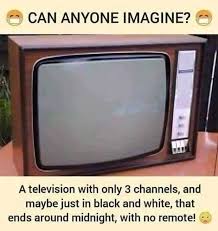
Back then, there was only one television channel, Doordarshan. You couldn’t switch channels or scroll endlessly. Most homes had black and white television sets, and remotes were unheard of. Yet, we never felt the need for more. What was shown was enough, and somehow, it always felt meaningful.
Sometimes, the broadcast would be interrupted, and a message would appear on the screen, “Rukawat ke liye khed hai…” — “Sorry for the interruption.” These brief pauses became part of our viewing ritual. At times, strong winds would twist the rooftop antenna out of alignment, and someone had to climb up to adjust it while others shouted from the window, “Haan, thoda aur… bas, wahi rakh!” Getting the picture back felt like a small celebration, and the whole family would settle back in, grateful for the simple joy of being together in front of a flickering screen.
Every Sunday evening at 5:30, watching a film on TV was a family event. We would sit together, eagerly waiting for the movie to begin. Sometimes, it would be an art film, slow, symbolic, and not very appealing to our young minds, but we still watched it with patience. There was a different kind of respect for whatever was shown.
Evenings had their own flavour. The programme that would begin the evening’s regional telecast every day except Sunday was “Butraat”. It offered vital information about agriculture and horticulture, with expert tips and updates aimed at the rural population. A dedicated time slot was allotted to regional telecast programmes. The local news bulletin would first be broadcast in Kashmiri at 7:30 pm, followed by the Urdu bulletin at 7:45 pm, both awaited like daily rituals in many households.
Besides the news, weekly Urdu and Kashmiri television serials were also telecast, stories that echoed local culture, language, and everyday life. Serials like Aalav, Harud, Hazar Daastan, Jum German and a few others became part of our collective memory. If someone missed the episode, there was always the morning repeat telecast to fall back on.
Electricity, however, was not dependable. Power cuts were frequent. Inverters were still unheard of, and battery sets only came in the late 1990s. A sudden blackout during a film or a favourite serial would cause panic and frustration, not because we were addicted, but because we had waited an entire week for that one moment.
National TV serials of the time had depth and sincerity. Shows like Udaan, Fauji, Circus, Nukkad, Yeh Jo Hai Zindagi, Wagle Ki Duniya, Dekh Bhai Dekh, Shriman Shrimati, and Gul Gulshan Gulfam gave us characters that felt like our own. They”lived simple lives, faced real struggles, and taught us about honesty, patience, love, and sacrifice, all without loud background music, artificial sets, or over-the-top drama. Children could watch these serials alongside elders without anyone feeling awkward.
Obscenity was absent. Stories had limits, and those limits were not crossed. Decency was never compromised.
Looking back, that era may seem quiet, but it was full. Technology was limited, but the content was rich. Films and serials back then didn’t try to impress, they simply expressed. And maybe that’s why they still live in our hearts, not because they were perfect, but because they were honest.
Syed Majid Gilani is a government officer by profession and a storyteller by passion. He writes about memories, family, childhood, pain, and the silent struggles of life. He can be reached at syedmajid6676@gmail.com
