

By Zahid G Mohammad
Back then, there was no newspaper kiosk in Nowhatta—the epicentre of the resistance movement since the 1930s. The Aziz News Agency, which would later become a morning meeting place for a whole crop of young news enthusiasts and writers of my generation—Shafiq Punjabi, Rashid Kundangar, Dr. Wahid, Javid Makdoomi, M.A. Gupkari, Sofi Ghulam Rasool, and a few others—was yet to open.
These Nowhatta boys, as I fondly call them, were prolific writers, each with his own forte. Gupkari wrote short stories; Kundangar penned essays on science for Hamdard; and Javid Makdoomi contributed to the Campus Diary. For his pithy sentences, cadence, and clever puns, we saw Dr. Wahid as a Shameem Ahmad Shameem in the making. The rest of us gravitated toward writing about society and its problems.
Our boyhood days marked a period of transition—a shift in the landscape of journalism in Kashmir. After December 1947, most newspapers had either ceased publication or were forced to shut down. During our childhood in the late ’50s and early ’60s, only a handful of Urdu dailies, bi-weeklies, and weeklies were in circulation. Among them, Aftab was the most popular.
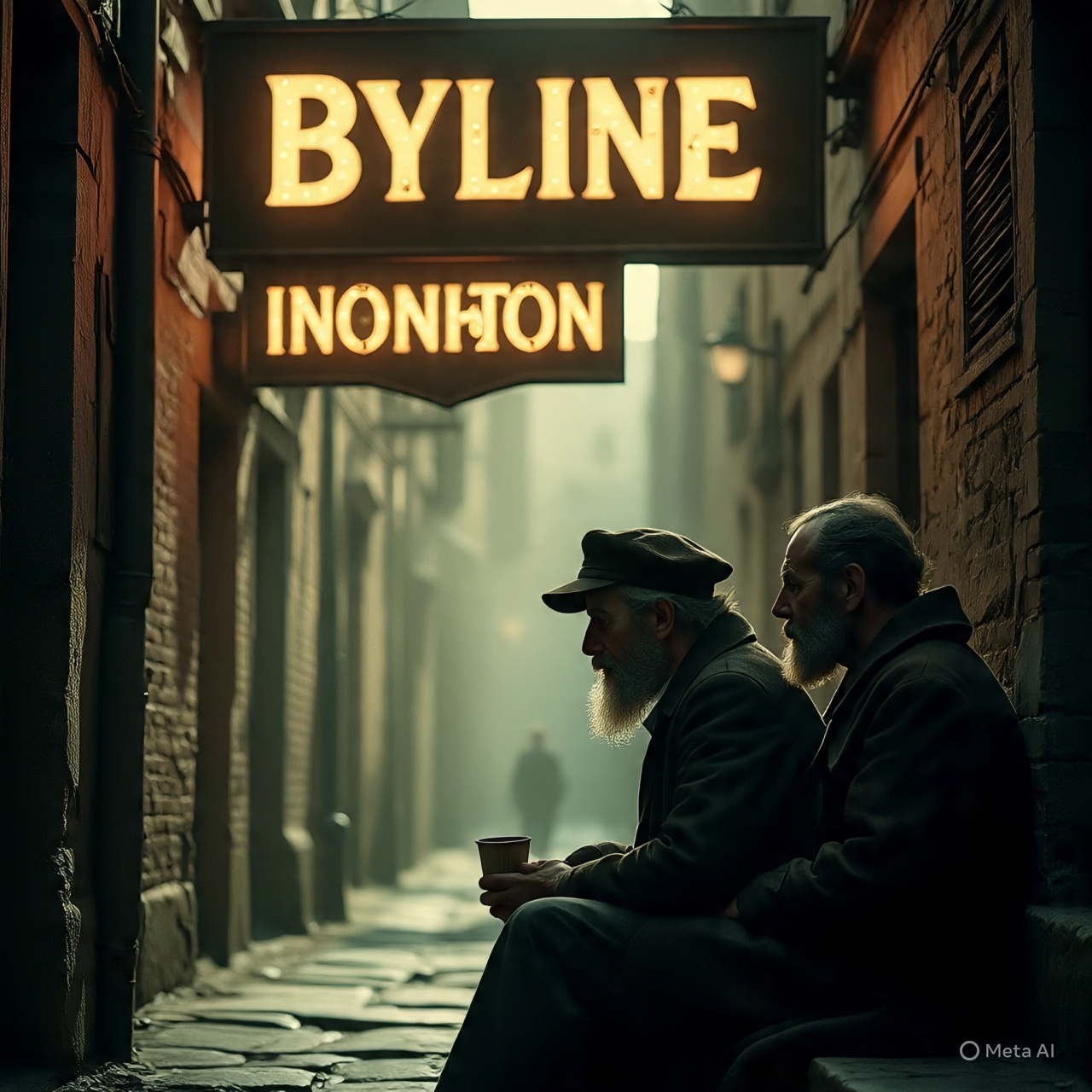
To catch the first glimpse of the paper, I would wait outside my home for the young newspaper hawker with heavily oiled, neatly combed hair. Inspired by the editorial and op-ed pages, one fine morning, I decided to write an article. I mailed it via ordinary post, and within days, I saw it published. I felt on top of the world. Instantly, I became a hero at home and a celebrity in my Mohalla. Seeing office-goers in the barbershop discussing my article made me realise the power of a byline. It encouraged me to write more. S
Soon, elders at the barber’s shop began inviting me into political discussions.
I remember those days well—very few in our ward were interested in English newspapers from New Delhi. The hawker on a bicycle rarely stopped in our Mohalla. It was only after the kiosk opened at Nowhatta crossing that some friends began reading Delhi-based English papers. Editorials and lead articles became my passion. To understand difficult words, I kept an English-Urdu dictionary by my side and often memorised new vocabulary.
Provoked by certain write-ups, I began sending handwritten letters to the editor columns of The Times of India, Indian Express, Hindustan Times, and Statesman. One day, I was elated to see my first letter published in the Indian Express. It was my first big lesson in editing—my two-page letter had been beautifully condensed into a single paragraph without losing its essence.
Encouraged, I mailed my first article, “Satan in Iqbal’s and Milton’s Poetry,” to the Indian Express. In those days, newspapers had the courtesy of returning unpublished articles. A week later, I received mine back with a slip: “Editor appreciates courtesy of sending article but regrets his inability to publish it.” Undeterred, I sent it to Statesman, which was considered more prestigious.
About a fortnight later, on a Saturday afternoon, I visited my usual news vendor, who sold papers on the stairs leading to Ghazala Tea Shop in front of CMS School. The Statesman and other papers carried Sunday highlights on the front page. There, in bold letters, I saw: “Zahid Gh Muhammad, fascinated by Satan in Iqbal’s poetry, compares Iqbal and Milton.”
That Sunday evening, I bought two copies. My article had been given the top slot—Prof. Mohammad Hassan’s piece was second. Seeing my name in print, I was intoxicated with thrill.
But the pun lay elsewhere. The next day, as I entered the coffee house, a group of newspaper stringers—who knew me as a student activist—greeted me in unison: “A good article. Who wrote it for you?”
I wanted to tell them: Times have changed. Now we no longer…need others to read our postcards. (ZGM)
From Archives 21-8-2015

